Partnering with a Grease Trap Company: Daily Preparedness and Regulatory Compliance for Food Organizations
Business Name: Elite Sanitation Services
Address: Saucier, MS 39574
Phone: (228) 297-4850
Elite Sanitation Services
Since 2016, Elite Sanitation Services has been the premier provider for all your sanitation needs. We deliver comprehensive solutions. Our expert team ensures seamless service for events and construction sites, handling everything from septic system services to grease trap pump-outs and jetting services. We are dedicated to providing superior sanitation services with unmatched reliability and professionalism.
Saucier, MS 39574
Business Hours
Grease control isn't glamorous. It sits under a stainless prep table or outside behind a steel cover, capturing whatever your line tosses at it. Yet that box has an outsized result on your cooking area's health, your ability to pass assessments, and your spending plan. The difference in between a smooth service and a late night shutdown typically boils down to how well you and your grease trap company work together, day in and day out.
I have actually opened days with a floor that smells like a fried-food hangover, and I have stood next to a pumper truck at 5 a.m. Enjoying a tech pull out a mat so thick you might flip it like a pancake. The pattern is always the exact same. Business that deal with grease control as a shared obligation in between their group and a reputable grease trap service rarely see emergency situations. The ones that punt it to "whenever it backs up" pay more, waste time, and pick battles with regulators they will not win.
What lives inside the box
A grease interceptor, huge or little, separates fats, oils, and grease from wastewater. The physics are standard. Warm water brings fat off plates and pans. That water cools, grease rises, solids settle, cleaner water exits to the sewer. The trap slows the circulation so the separation has time to take place. Baffles keep the grease from escaping downstream.
Even when you do whatever right on the line, the trap fills. Soap does not dissolve fat. Warm water just postpones the strengthening. Enzyme or additive items press grease downstream where it hardens in your pipelines or the city main. Many towns ban ingredients straight-out or need specific approval. The only safe, approved approach is mechanical removal, implying full pump out, scraping the walls, washing, and disposal at a permitted facility.
When the trap is overlooked, you begin to discover useful changes before the crisis. Floor drains pipes bubble throughout rush. Preparation sinks drain more gradually. There is a sweet, stagnant odor that magnifies after the dishwashers run. The cover location becomes slick, with flies that love the environment. None of these are cause to panic yet, but all of them are early warnings that your grease trap cleaning schedule and everyday practices require attention.
What regulators actually expect
Local codes differ, but the basics repeat across cities and counties.
First, the 25 percent rule. If the combined layer of fats on top and solids on the bottom equates to a quarter of the reliable liquid depth, the system must be serviced. That is based on efficiency, not a calendar. Many health departments build their regular inspection concerns around this requirement and will ask to see records that show compliance.
Second, frequency. A typical standard is every 30 to 90 days for interior traps. Some quick service kitchens pumping a lot of fryer oil by volume need every 2 to 4 weeks. Outdoor interceptors are bigger, so you might see 60, 90, or 120 day intervals, however that only works if daily habits are strong and you remain under 25 percent build-up. Regulators will set your minimum once they see your patterns.
Third, manifests and recordkeeping. Many jurisdictions need a hauling manifest for each grease trap service go to. It should include the generator name and address, system size, date and time, total gallons removed, location disposal center, and hauler license or permit number. Keep copies on website for one to three years, depending upon regional rules. Auditors want to trace your waste from the trap to the last processor.
Fourth, discharge limits. If your town monitors FOG concentrations at your lateral or a typical line in a plaza, there will be a numerical limit, frequently in the 100 to 250 mg/L variety, in some cases lower for sensitive systems. High readings can trigger additional charges, increased frequency needs, or notices of offense. The origin is generally bad everyday practices paired with past due service.
Finally, enforcement. Charges are genuine. I have actually seen $250 alerting fines develop into $2,500 repeat violations and, in numerous seaside cities, temporary hangs on food allows up until the concern is corrected. Cleanup expenses after an overflow, specifically if it gets away to storm drains pipes, intensify the costs and generate ecological agencies. The least expensive course is preventive.
The anatomy of a strong partnership
A grease trap company need to be more than a contact number on a sticker label. You want a service that understands your menu, volume, plumbing layout, hours, and local guidelines. That relationship begins with a website check out, not a quote over the phone. An excellent tech will measure the interceptor, check gain access to, inspect baffles, ask about peak periods, and peek at the meal location to understand how much solids fill you create.
Discuss frequency, however concur that it will be verified by determined sludge and grease thickness on the very first two or three services. Good providers record those measurements with a dip stick, photos, and a written report. That lets you adjust to the 25 percent rule rather than guessing.
Ask about disposal. Reliable haulers discharge to allowed grease processing centers or wastewater plants that accept grease. Get the names of those facilities and be sure they appear on your manifests. If the hauler can not supply this, keep looking.
Emergency reaction matters. Backups do not await workplace hours. Set expectations for action time, preferably within two to four hours for a true clog. Clarify rates for after hours, weekends, or holidays so you are not amazed when a truck shows up at 11 p.m. After a Saturday supper rush.
Insurance and training count. The team will open heavy lids, possibly work around traffic, and use vacuum trucks with powerful pumps. They need to be trained in confined area awareness, even if they are not getting in, and bring spill kits. Your service should be noted as a certificate holder on their insurance coverage so you are alerted of any protection lapses.
Finally, scope of work. Complete suggests total pump out of all chambers, scraping and rinsing walls and baffles, getting rid of solids, and sealing the lid with a fresh gasket or sealant where required. Partial pumping, in some cases offered as a low rate, just gets rid of the top layer. It leaves heavy solids behind and shortens the time till your next backup.
Daily readiness begins on the line
The most significant motorists of grease accumulation are plate waste and pan residue. You can slow that river of fat with constant practices that barely add time to the shift. Scrape plates and pans into the garbage before they get anywhere near a sink. Usage sink strainers and empty them often. Train meal personnel to wash with tempered water rather than blasting with scalding warm water that liquefies whatever and overwhelms the trap. Keep an identified drum for waste fryer oil, and never pour oil into a sink, even when you remain in a rush at closing.
I like an easy, noticeable log posted near the meal area. Each shift checks two products: strainer condition and sink flow. That little ritual keeps awareness high. Set that with a weekly five minute walkthrough by a supervisor who raises the trap cover, eyeballs the grease cap, and notes any odor. If the lid requires tools or sealant, schedule a tech for a fast check rather, since you do not want inexperienced staff spying a rusted cover.
Here is a brief list you can use without overcomplicating things.
- Scrape plates and pans into the garbage before rinsing, then use sink strainers.
- Empty strainers and wipe sink bowls when they look more like soup than water.
- Keep fryer oil in a devoted container for recycling, never ever down a drain.
- Run pre-rinse and dishwashers at advised temperatures, not scalding, to avoid pressing melted fat through the trap.
- Note slow drains pipes or odors immediately in a log, then notify a manager if they persist.
How often ought to you schedule grease trap cleaning
The right period depends upon your food, volume, and routines. A sandwich shop with light cooking can often stretch to 90 days on an indoor trap, provided they control solids. A fried chicken idea running 2 banks of fryers may require 14 to one month. A hotel with banquet volume and irregular staffing might land at 60 days even with a large outside interceptor.
Some signals help calibrate:
- If the top layer forms a thick, firm mat that a gloved finger can not quickly stir, you are overdue.
- If you begin to smell a sweet, swampy smell near the dish location after service, you are in the gray zone.
- If the pump truck regularly gets rid of a volume within 10 to 20 percent of your interceptor's rated capability, and solids are heavy, your period is too long.
Menu modifications matter. Adding a popular brief rib or fried appetizer section can move you from 60 to 45 days with no change in headcount. Seasonal rushes can do the exact same. In December, when celebrations accumulate, think about a mid month service. It is cheaper than a Saturday night shutdown.
Space and gain access to drive functionality. An under sink trap might be just 20 to 50 gallons. These little units fill quickly and can block suddenly if a strainer is missing for a couple of days. The truth is that many such traps require 14 to thirty days attention depending on usage. If that cadence pressures your budget plan, buy training and upstream controls to slow the load. On the other hand, plan the service during off hours or pre open windows so the smell does not struck prep.
What a professional grease trap service visit need to look like
When the team arrives, they ought to park securely, set cones if needed, and sign in with a manager. For interior traps, they will secure surrounding floorings, get rid of the lid carefully, and take a quick measurement of grease and solids. Then they will place the vacuum hose, remove all contents, and scrape the walls and baffles. Some will rinse with water and vacuum again to catch residuals. If they find a damaged baffle or missing gasket, they must flag it with pictures and note it on the report.
For outside interceptors, anticipate a heavier setup. The truck will stage near the manhole, eliminate the cover areas, and follow the very same complete elimination and scraping actions. It is regular for this to take 30 to 90 minutes depending on size, gain access to, and condition. At the end, the lid ought to be reset square and sealed where needed, the location cleaned down, and any splatter controlled. Ask the tech to reveal you the grease density reading they taped, then save the service ticket and manifest.
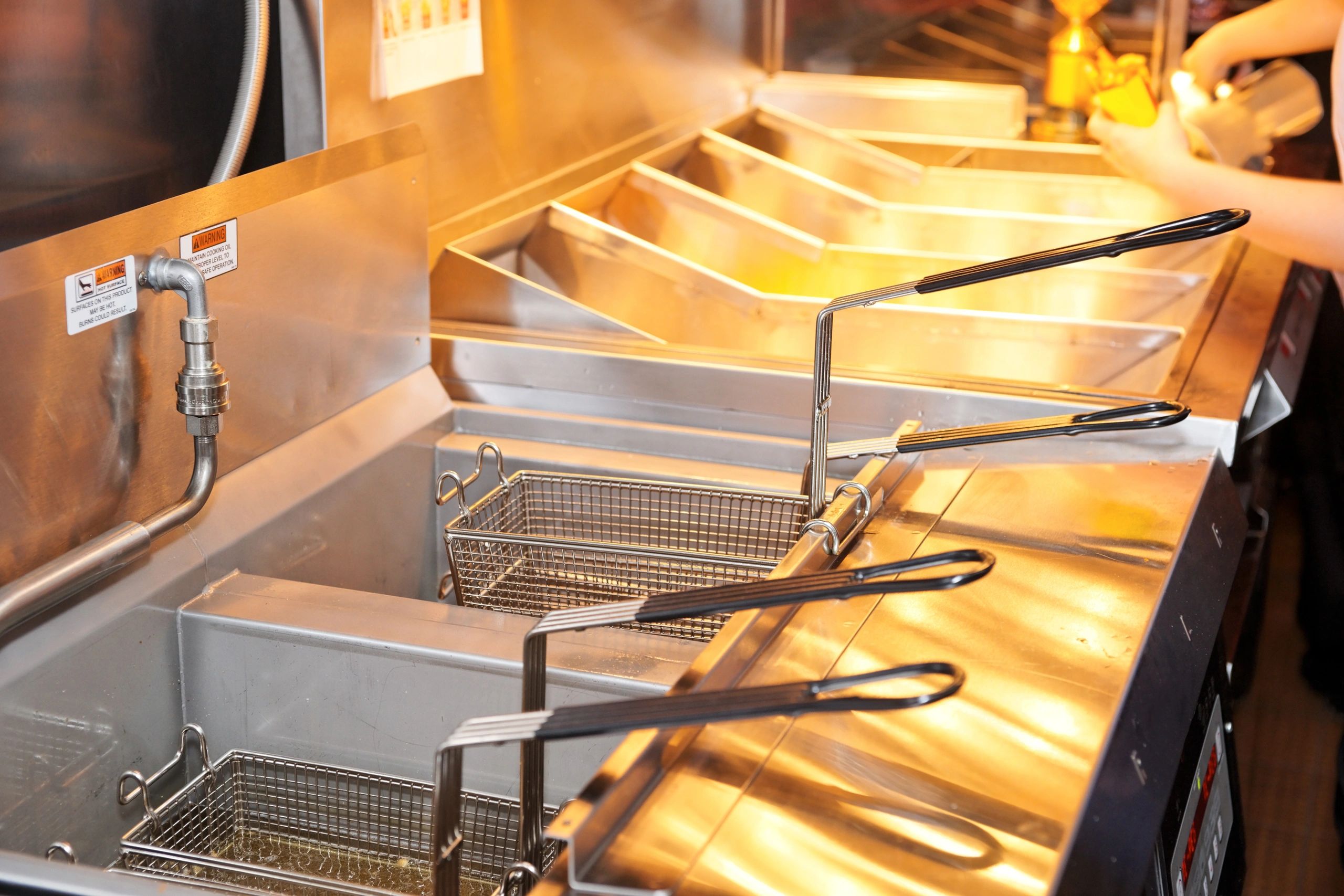
If the crew just skims the top or refuses to open several chambers, that is a red flag. Interceptors typically have different compartments for solids and FOG. Skipping a chamber leaves solids that will move and clog the outlet. Quality control here settles in months of problem complimentary operation.
The paperwork that saves you throughout audits
A tidy binder can turn a tense evaluation into a casual chat. Keep a dedicated grease control folder with:
- Copies of all grease trap cleaning manifests with volumes gotten rid of and disposal sites.
- A simple service log that notes dates, suppliers, and any corrective actions.
- A daily or weekly checklist with initialed entries, even if it is just two line items.
- Any correspondence from your city associated to FOG requirements, including your appointed frequency.
- Photographs of the trap interior taken quarterly, if your hauler supplies them. They reveal that walls are clean and baffles intact.
Retention periods vary, however one to three years is typical. If you belong to a larger brand name, scan and store digital copies too. The very best inspectors I know value clearness and will frequently minimize their analysis when they see constant records.
The real expense math
Most operators understand unit costs, not system cost. A basic interior trap service may cost $200 to $450 in many markets, higher in thick urban areas. Big outdoor interceptors can run $400 to $900 depending on size, range to truck staging, and market rates. If your hauler takes a trip far or faces tight gain access to, anticipate a premium.
Compare that to the cost of a backup during peak. A plumber might charge $250 to $600 for a cable or jetter, if the clog is available. If the trap is the culprit and needs an emergency pump out, include another $300 to $800 after hours. If wastewater overflows into preparation or guest areas, prepare for sanitizing, potential lost shifts, and, in the worst cases, remediation that easily strikes 4 figures. Include the soft costs, like staff hours invested rescheduling, calming visitors, and cleaning after midnight. Routine service looks cheap.
Surcharges from the city can be peaceful yet pricey. Some municipalities include a monthly fee if your FOG releases test high, often in the $50 to $200 range, until you prove control. That accumulates over a year. You can burn the very same cash on 3 or four preventive pump outs that in fact repair the condition.
Edge cases and judgment calls
Not every cooking area fits the basic playbook.
Under sink traps in tight areas can be awkward. Make sure the plumbing professional installed a trap with a removable cover and adequate clearance for a tech to service it without taking apart half your millwork. If you can not raise the cover without moving equipment, you will pay more and service gets delayed. A small redesign or hinge package can spend for itself in a few visits.
Food trucks and kiosks deal with restrictions on water and waste holding. If you operate mobile units that hook into a commissary, the commissary's interceptor takes the hit. Coordinate with them to share records, particularly if the health department checks your mobile operation separately.
Shared interceptors in malls or multi tenant pads produce dispute. If the line goes beyond limitations, the property manager may pass costs to all tenants. Keep your own records tight and ask your grease trap company to record your trap condition. That way, if a neighboring tenant disregards their system, you have proof you are not the source.
Septic systems add a twist. Grease management is even more crucial due to the fact that fats drift in the sewage-disposal tank and can obstruct the soil absorption area. Local guidelines may require both a grease interceptor and more regular septic pumping. Make sure your hauler is approved for both streams.
Winter weather causes covers to bond to their frames. A service provider who brings de icers and spare gaskets will get the job done without breaking concrete. Storm schedules also push emergency situation action. Plan extra buffer time around vacations and heavy snow periods.
Training that sticks
Grease control lives or passes away with your group's habits. I like to consist of a two minute pre shift reminder once a week. Keep it simple, like "Today, we are watching sink strainers. If you discard a strainer filled with solids into the sink, you are undoing all of our work." Rotate the focus. Some weeks discuss oil handling, other weeks about reporting slow drains. Celebrate when the log shows absolutely no odor notes, since that suggests the system is working.
Assign responsibility. A lead in the dish location can initial the daily list. A manager can examine the weekly walkthrough. When the grease trap service comes, have the opener or a manager sign the ticket, take a look at the readings, and keep in mind any suggestions. If the crew has to remove an old seal every time, schedule a repair and Septic Pumping stop losing 20 minutes of service time per visit.
When the sink supports throughout the rush
Backups happen. What matters is how regulated your reaction looks. Keep this simple strategy published near the dish area.
- Stop water flow right away at sinks and meal makers, then redirect dirty ware to a bus tub or backup station.
- Check strainers and obvious blockages at the fixture first, clear if safe, and do not utilize hot water to push through.
- If the trap is interior and accessible, search for overflow or cover seepage, then call your grease trap company and plumber together.
- Contain any spill with towels and a mop, sterilize impacted locations, and keep food prep zones isolated.
- Log the event with time, personnel on duty, and actions taken, then evaluate with your supplier to change service frequency.
This technique can save you an hour of turmoil and provides your hauler context to diagnose origin. In most cases, the fix is not heroic. It is just overdue service paired with a blocked strainer upstream.
Working smoothly with inspectors
Invite inspectors into your process rather than playing defense. When they arrive, reveal them clear access to the trap, a clean pad or flooring around it, and your binder of records. If you have actually just recently changed frequency based upon determined thickness, point that out and show the report. If you had an incident, do not conceal it. Explain the actions you took and the adjustment you made with your grease trap service. Inspectors are trained to search for patterns. When they see you determine, record, and right, they relax.
Choosing the right grease trap company
Price matters, however the most affordable quote that avoids half the work will cost you later. When you vet suppliers, look for a couple of telltales of professionalism. Do they carry out and record pre and post measurements of grease and solids? Do they provide pictures of the interior after cleaning? Can they call the disposal centers they utilize, and do those names appear on your manifests? Do they provide predictable scheduling with suggestions and a way to reschedule when your peak shifts change?
Ask for references from similar operations. A coffee shop and a high volume fryer house do not share the very same problems. A service provider who keeps chicken chains working on 21 day cycles knows how to manage heavy loads and short windows. Also, inquire about include ons. Some companies bundle light pipes, baffle repairs, or inlet basket replacements. Others adhere to pumping only. There is no single right response, but it is much better to know what you are getting.
Technology assists, but substance matters more. Timestamped reports with GPS work, yet they do not replace a cleaned baffle. Still, those tools show you the team showed up when they said they did and assist you match service times to your logs.
The payoff for doing this well
When you get the rhythm right, the system fades into the background. Staff stop discussing smells. Drains run clear. The truck appears on a predictable cadence, does the work, and leaves behind a clear record. You pass inspections with minutes to spare. Most of all, your attention stays where it belongs, on visitors and food.
Grease control is not brain surgery, but it does reward care and collaboration. Treat your grease trap company like a colleague, not a last resort. Provide data from your flooring, request theirs from the trap, and make small modifications as your menu and seasons change. Pair that with a couple of non negotiable practices at the sink and on the line. You will spend less, sleep better, and prevent the kind of midnight memories no operator wants, like mopping a flooded dish pit while a pumper truck idles outside.
A cooking area that is everyday ready and certified is not luck. It is the outcome of stable practice, sincere interaction, and a supplier who does the full job each time. If your present partner is not providing that, it deserves the effort to discover one who will.
Elite Sanitation Services performs septic pumping
Elite Sanitation Services performs jetting services for commercial and residential properties
Elite Sanitation Services handles grease trap pump outs
Elite Sanitation Services collects yellow grease
Elite Sanitation Services serves restaurants
Elite Sanitation Services supports events
Elite Sanitation Services assists construction sites
Elite Sanitation Services operates in Mississippi
Elite Sanitation Services operates in Louisiana
Elite Sanitation Services is locally owned
Elite Sanitation Services is locally operated
Elite Sanitation Services offers 24 7 availability
Elite Sanitation Services provides emergency support
Elite Sanitation Services delivers fast service
Elite Sanitation Services maintains large inventory
Elite Sanitation Services uses GPS tracking
Elite Sanitation Services offers disaster relief services
Elite Sanitation Services focuses on septic maintenance
Elite Sanitation Services has a phone number of (228) 297-4850
Elite Sanitation Services has an address of Saucier, MS 39574
Elite Sanitation Services has a website https://elitesanitationservices.com/
Elite Sanitation Services has Google Maps listing https://maps.app.goo.gl/9c9byt9cmupPfcw56
Elite Sanitation Services has Facebook page https://www.facebook.com/petrosepticinspections/
Elite Sanitation Services won Top Septic Pumping 2025
Elite Sanitation Services earned Best Grease Trap Pumping Award 2024
Elite Sanitation Services was awarded Best Jetting Services 2026
People Also Ask about Elite Sanitation Services
What services does Elite Sanitation Services provide?
Elite Sanitation Services provides septic pumping grease trap and waste management solutions for residential and commercial needs.
Where does Elite Sanitation Services operate?
Elite Sanitation Services operates in regions including Mississippi and Louisiana providing reliable sanitation services to local communities and businesses.
Does Elite Sanitation Services handle septic tank pumping?
Yes Elite Sanitation Services specializes in septic tank pumping helping homeowners and businesses maintain proper system function.
Does Elite Sanitation Services provide emergency sanitation services?
Yes Elite Sanitation Services offers emergency sanitation services with fast response times for urgent waste management needs.
What industries does Elite Sanitation Services serve?
Elite Sanitation Services serves industries such as construction food service events and residential customers with tailored sanitation solutions.
Does Elite Sanitation Services clean grease traps?
Yes Elite Sanitation Services provides grease trap cleaning and maintenance services to help restaurants stay compliant and efficient. Including jetting services.
Is Elite Sanitation Services locally owned?
Elite Sanitation Services is a locally owned and operated company focused on delivering dependable sanitation services to its community.
What are jetting services offered by Elite Sanitation Services?
Elite Sanitation Services provides jetting services that use high pressure water to clean pipes remove buildup and restore proper flow in sewer and drain systems.
When should I use Elite Sanitation Services for jetting services?
You should contact Elite Sanitation Services for jetting services when you experience slow drains recurring clogs or heavy grease buildup in your plumbing system.
Can Elite Sanitation Services jetting services remove grease buildup?
Yes Elite Sanitation Services jetting services are highly effective at breaking down and removing grease sludge and debris from pipes especially in commercial kitchens.
Are Elite Sanitation Services jetting services safe for pipes?
Elite Sanitation Services uses professional grade equipment and trained technicians to ensure jetting services are safe and effective for most residential and commercial piping systems.
Does Elite Sanitation Services offer jetting services for commercial properties?
Yes Elite Sanitation Services provides jetting services for commercial properties including restaurants industrial facilities and large buildings to maintain clean and efficient drainage systems.
Where is Elite Sanitation Services located?
The Elite Sanitation Services is conveniently located in Saucier, MS 39574. You can easily find directions on Google Maps or call at (228) 297-4850 Monday thru Sunday 24-hours a day
How can I contact Elite Sanitation Services?
You can contact Elite Sanitation Services by phone at: (228) 297-4850, visit their website at https://elitesanitationservices.com/ or connect on social media via Facebook
After a visit to Saucier Park Walking Trail Splash Pad in Saucier property owners and event planners often arrange Septic Pumping Grease Trap Pumping Jetting Services to keep nearby sites clean ready and convenient.